
DIY Rose Water Face Mask for Dry and Sensitive skin
Rose water is one of the most common ingredients in DIY skincare, especially in face masks. It is easy to use, widely tolerated, and often recommended for dry or sensitive skin. But not every rose water mask makes sense, and not every combination is skin-friendly.
This guide explains how a DIY Rose Water Face Mask works, which ingredients to use, and which to avoid. It also covers when simple homemade masks are enough and when to choose professional formulas.
Aim for practical, low-risk care that supports skin comfort without unnecessary risks.

Why Rose Water Is Used in Face Masks?
As a gentle floral distillate from Rosa damascena petals, rose water offers light hydration, skin comfort, and a calming feel that suits mask use well.
Its water-based nature allows rose water to deliver soothing aromatic compounds and small amounts of naturally occurring antioxidants without feeling heavy or overwhelming. This makes it a comfortable base, especially for skin that reacts quickly to richer or more complex mixtures.
In face masks, rose water mainly helps with surface hydration and skin feel. It adds moisture, reduces the feeling of tightness, and makes the skin feel more relaxed during and after application. For dry skin, this can be enough to improve comfort, even if the effect is not long-lasting.
Rose water is also appreciated for its soothing effect. In a mask, this often shows up as less discomfort, less tightness, and better overall tolerance, particularly for sensitive or easily irritated skin.
Another practical benefit is its naturally skin-friendly pH. When properly distilled and free from added fragrance or alcohol, rose water sits close to the skin’s natural pH range. This helps keep the skin surface balanced and makes rose water gentler than many DIY liquids often used in masks.
Rose water also provides antioxidant support. While it is not comparable to concentrated antioxidant treatments, it still adds a mild protective element within a rinse-off mask. Used this way, rose water supports the skin without trying to do too much.
This balance is exactly why rose water continues to work well in face masks. It focuses on comfort, tolerance, and simplicity rather than strong or unpredictable effects.
How Rose Water Interacts With Dry and Sensitive Skin?
Rose water is simple to use for dry and sensitive skin. It helps make the skin feel more comfortable, rather than solving deeper problems. You’ll notice its benefits most when your skin feels dry, tight, or easily irritated.
If you have dry skin, rose water can help ease tightness and roughness that come from a lack of moisture. It gives a bit of hydration and makes your skin feel better, especially when used in short treatments like face masks.
Sensitive skin often responds well to rose water because it has a low irritation potential, as long as it is properly distilled and free from added fragrance or alcohol. Its mild soothing effect can help calm the skin after cleansing or exposure to heat, wind, or pollution.
It is important to keep expectations realistic. Rose water does not treat conditions such as eczema or dermatitis, and it does not replace medical care. In skincare, it is best understood as a calming support rather than a treatment. This distinction helps prevent overuse and disappointment, particularly with reactive skin.
DIY Rose Water Mask Principles for Sensitive Skin
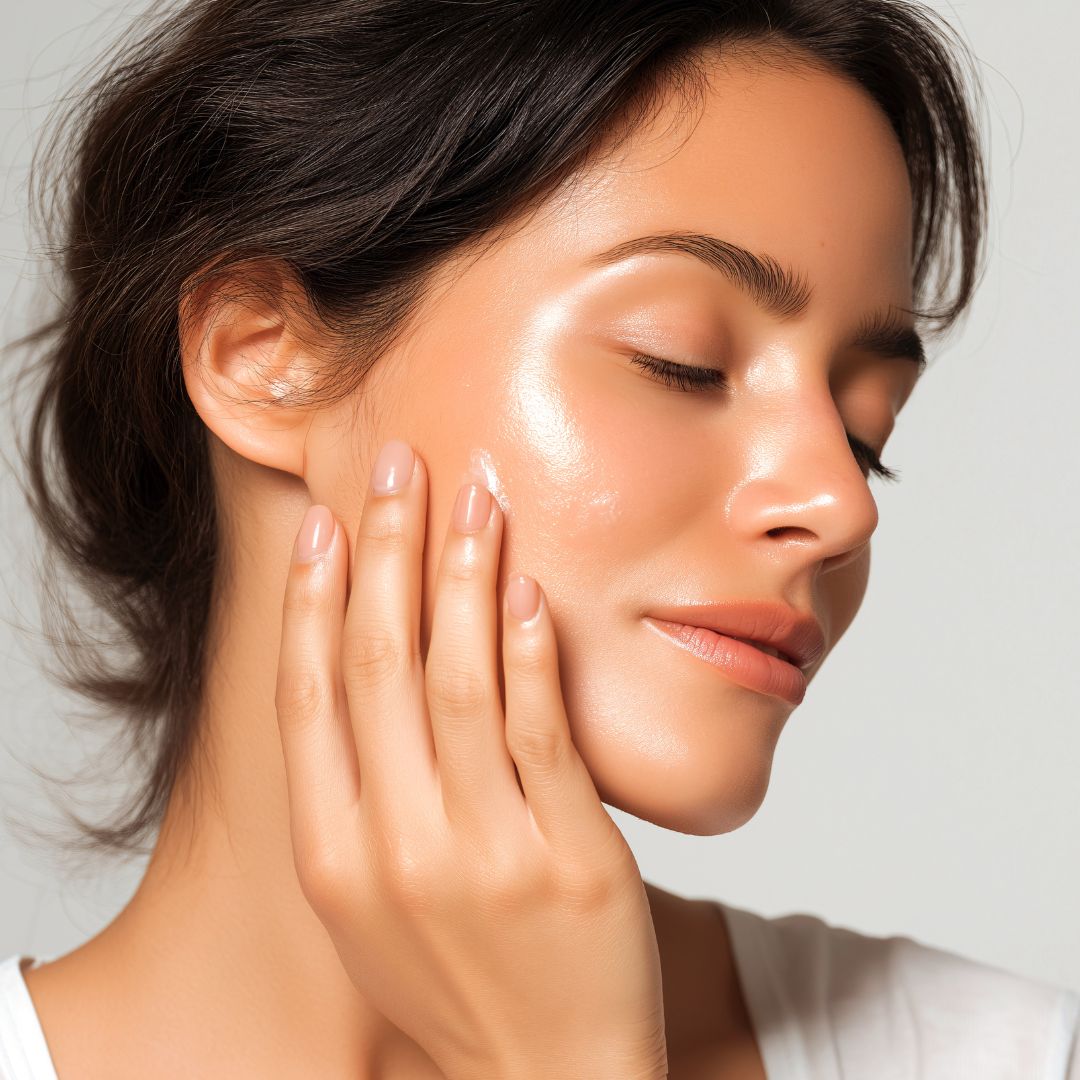
When skin is dry or sensitive, the safety of a DIY mask depends less on the ingredients themselves and more on how simple the formula is. Rose water masks work best when restraint is part of the plan.
Fewer ingredients mean lower risk
Every extra ingredient increases the chance of irritation or intolerance. For sensitive skin, a mask should include only what is needed to deliver a clear benefit, such as hydration or comfort. Complex mixtures rarely improve results and often make skin reactions more likely.
One clear role per ingredient
Each ingredient should have a single, well-defined purpose. Rose water adds hydration and improves skin feel. Oats help soothe. Honey supports surface hydration. Yogurt offers mild functional activity when used briefly. Ingredients added “just in case” usually create more problems than benefits.
Prepare fresh and discard immediately
DIY masks do not contain preservatives. Once mixed, they start to break down and can allow microbial growth. Sensitive skin is especially vulnerable to this risk. Masks should always be prepared fresh, and any leftovers should be thrown away.
Following these principles keeps DIY rose water masks simple, predictable, and easier for sensitive skin to tolerate.
DIY Rose Water Face Mask Recipes
These DIY Rose Water Face Mask recipes are chosen with dry and sensitive skin in mind. Each one uses only a few ingredients, and each ingredient has a clear role. Popular DIY combinations that tend to increase irritation risk are intentionally left out.
Calming Rose Water – Oat Mask
Purpose:
Tightness, mild redness, post-cleansing discomfort.
Why this works:
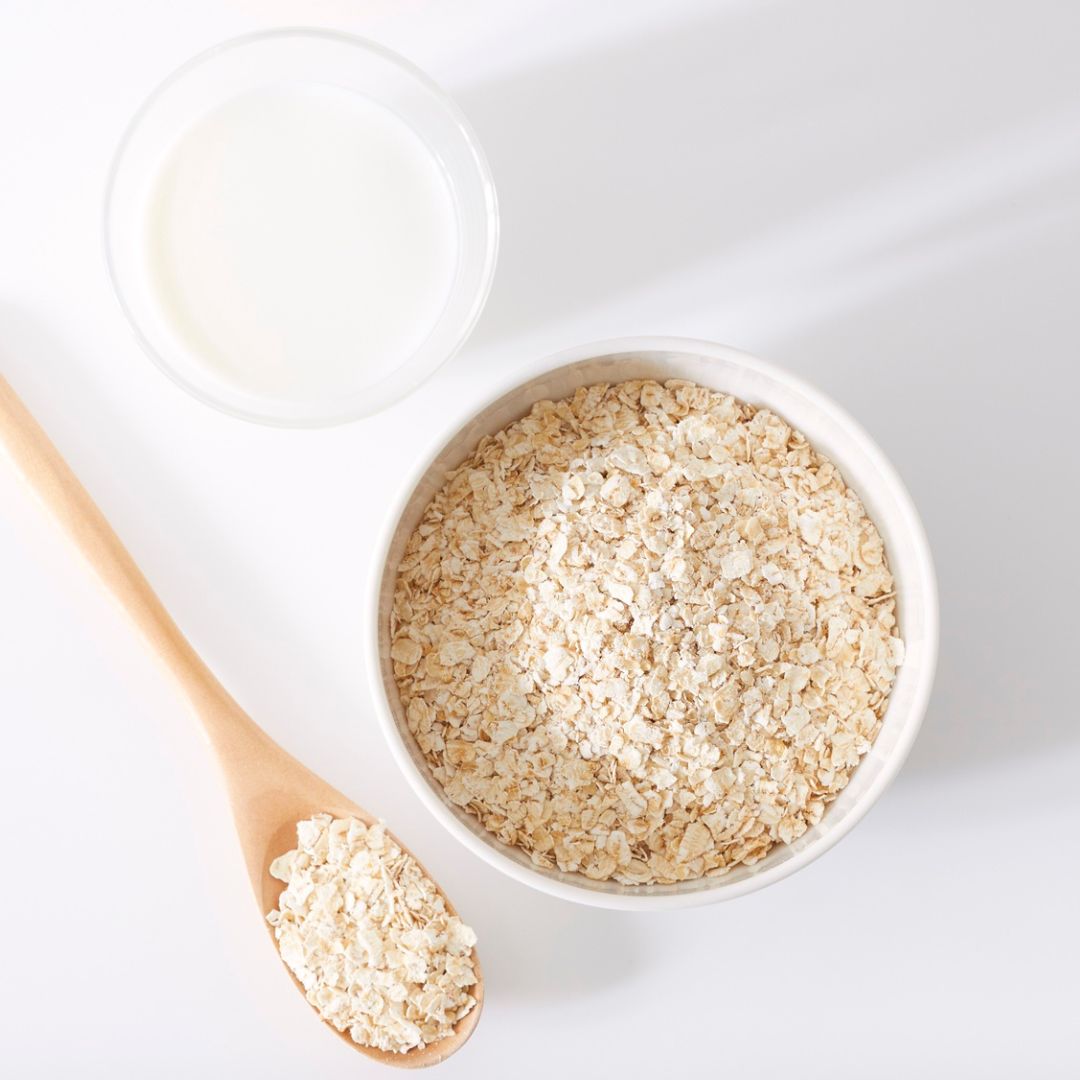
Finely ground oats that mix smoothly with water are well known for their soothing, anti-inflammatory, and barrier-supporting properties. Rose water improves skin comfort and helps the mask spread evenly without friction.
Ingredients:
1 tablespoon finely ground oats
Enough rose water to form a soft paste.
How to use:
Apply a thick layer. Leave on for 10 to 15 minutes. Rinse gently with lukewarm water.
This mask focuses on comfort rather than visible results. It suits skin that reacts easily or feels stressed.
Soothing Rose Water - Yogurt Mask
Purpose: Dry skin with mild flaking or dullness.
Why this works:
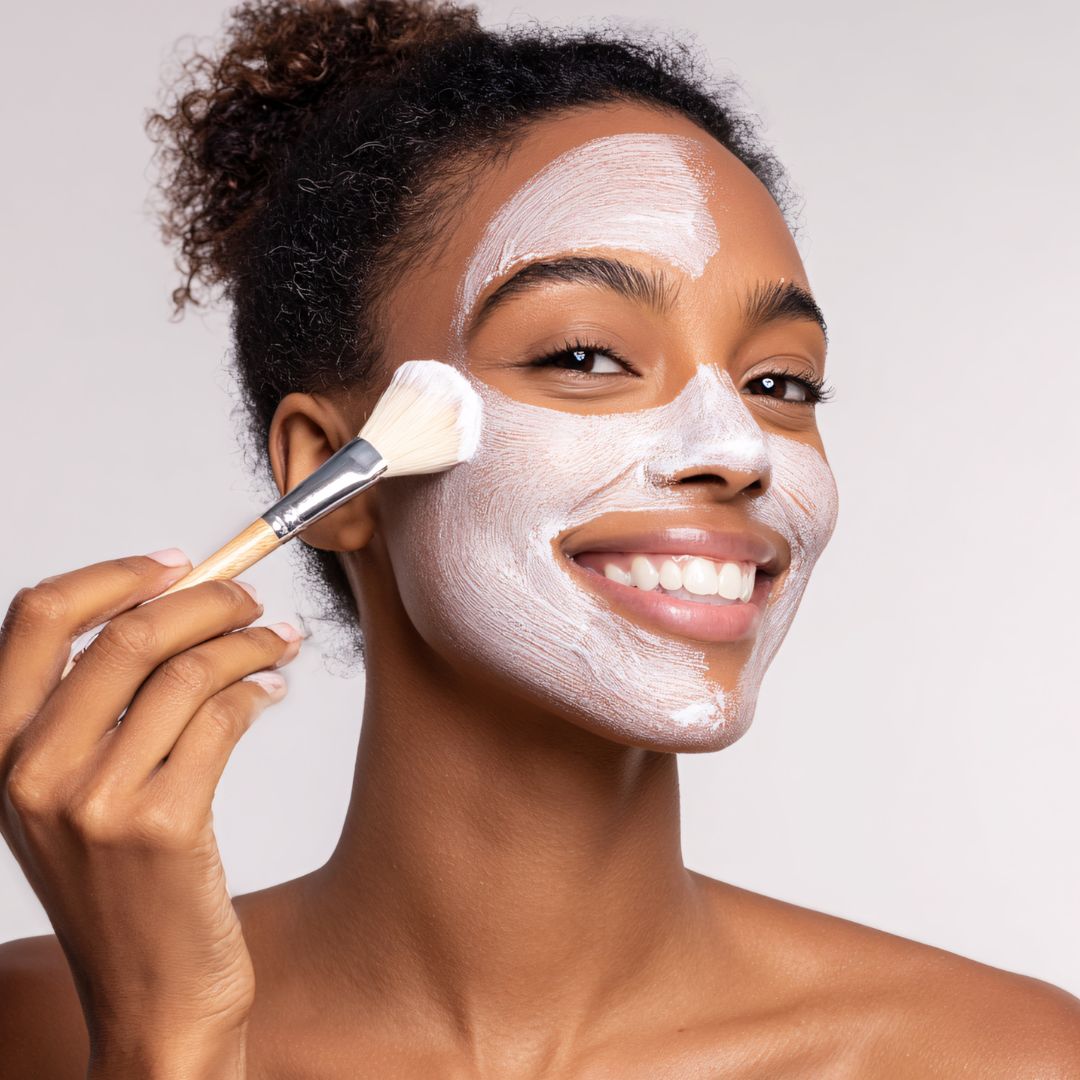
Plain yogurt provides gentle surface support through naturally occurring lactic acid and probiotic cultures such as Lactobacillus bulgaricus. With short contact time, lactic acid can help soften rough texture without acting as a strong exfoliant. Yoghurt probiotics improve skin comfort, better barrier support, and a more balanced skin microbiome. Rose water enhances tolerance and reduces the risk of irritation.
Ingredients:
1 tablespoon plain, unsweetened yogurt – Bulgarian or Greek
1 tablespoon rose water
How to use:
Mix until smooth. Apply evenly. Leave on for no more than 10 minutes. Rinse well.
This mask should feel comfortable. Any stinging is a sign to stop.
Gentle Rose Water – Honey Mask
Purpose: Dehydrated skin that feels tight or uncomfortable.
Why this works:
Honey contains phenolic compounds and flavonoids with antioxidant activity. It also forms a light protective film on the skin, which helps reduce moisture loss during the mask. Combined with rose water, the texture becomes easier to apply and more comfortable for sensitive skin.
Honey-based masks are commonly used to support hydration and surface balance when kept simple and used briefly.
For more detail, see our guide on DIY honey face masks.
Ingredients:
1 tablespoon honey
1 tablespoon rose water
How to use:
Apply a thin layer. Leave on for about 10 minutes. Rinse with lukewarm water.
Use occasionally. Sticky textures can increase friction if overused.

Clay - Rose Water Mask
Why this works:
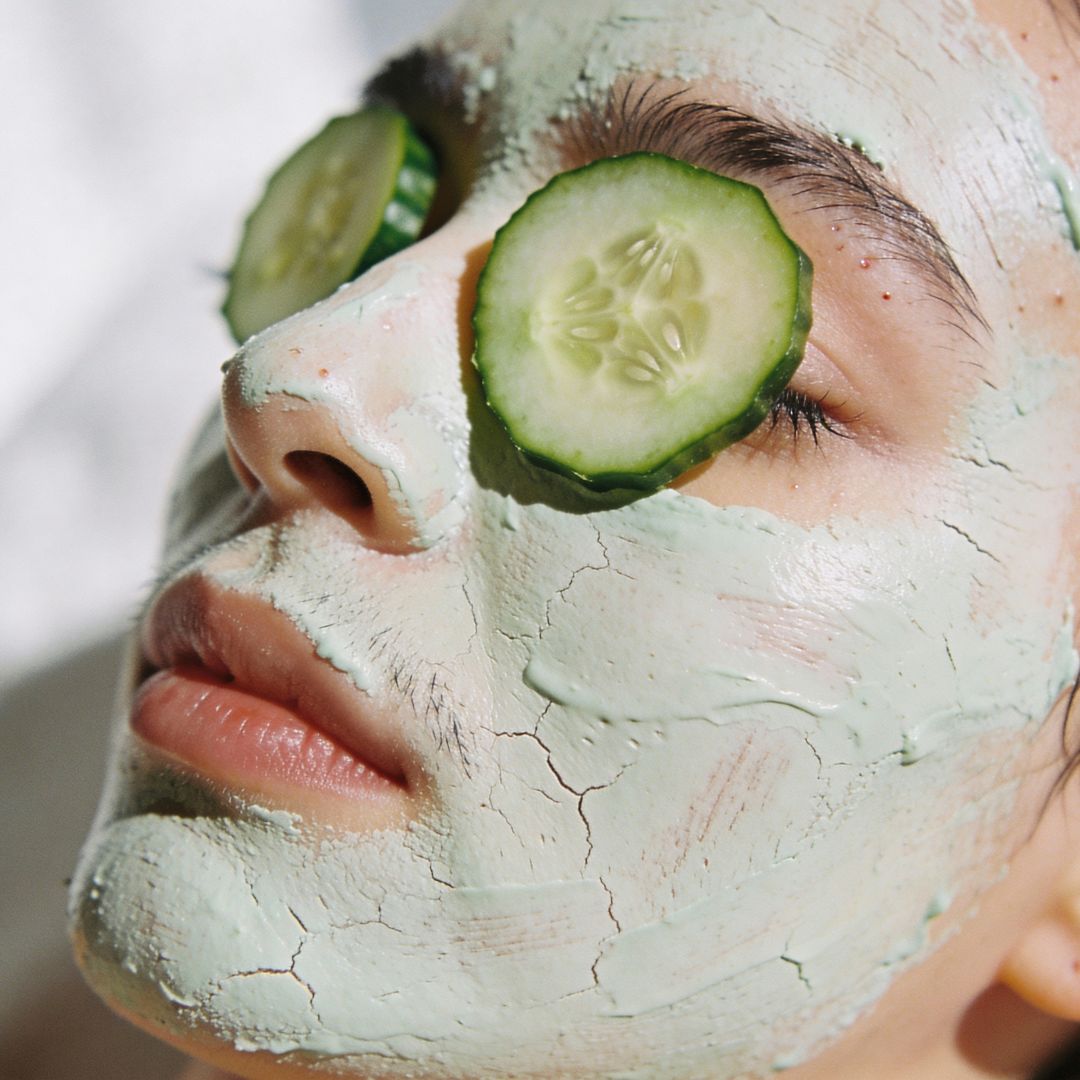
Very mild clays can help absorb surface impurities and excess oil without aggressively drying the skin. Used in small amounts and for short contact times, they offer light cleansing while preserving comfort. Rose water helps buffer dryness, improves spreadability, and reduces post-mask tightness.
Clays suitable for sensitive skin:
- White clay (kaolin): The mildest option. Gently absorbs impurities and is usually well tolerated.
- Pink clay: Slightly more cleansing than kaolin, but still gentle when used briefly.
- French white clay: Similar in softness to kaolin and often used in sensitive-skin formulas.
Clays to avoid:
- Bentonite or montmorillonite clays in high amounts
- Strong detox or volcanic clays
- Any clay mask left to fully dry and crack on the skin
For sensitive skin, clay masks should never aim for deep detox. Their role is occasional, gentle surface cleansing.
Ingredients:
1 teaspoon white or pink clay
Rose water to form a thin paste
How to use:
Apply a light layer. Do not let it fully dry. Rinse after 5 to 7 minutes.
This mask is not suitable for very compromised skin barriers.
Why Certain Popular DIY Masks Are Excluded
Ingredients such as turmeric, lemon juice, essential oils, and avocado are widely shared in DIY recipes. For dry and sensitive skin, they carry a higher risk of irritation, staining, or barrier disruption. Their exclusion here is intentional and based on skin tolerance, not trends.
These recipes focus on comfort, predictability, and low irritation risk. They are designed to support the skin, not challenge it.
What NOT to Mix With Rose Water?
Rose water is gentle by nature. Its main strength is how well it suits sensitive skin. This advantage is easy to lose when it is combined with ingredients that increase irritation risk or disrupt the skin barrier. Many popular DIY combinations fall into this category.
The ingredients below are often recommended online, but are not suitable for dry and sensitive skin.
Essential Oils
Essential oils are highly concentrated aromatic substances. Even in small amounts, they can trigger irritation, redness, or delayed sensitivity reactions. Rose water does not cancel out this risk. Adding essential oils removes the very quality that makes rose water skin friendly.
This includes lavender, tea tree, eucalyptus, and citrus oils.
Lemon Juice and Other Citrus Ingredients
Lemon juice is strongly acidic and photosensitising. Applied directly to the skin, it can disrupt the barrier and increase the risk of irritation or uneven pigmentation. Rose water cannot balance this effect. For dry or reactive skin, this combination is especially problematic.
DIY recipes that rely on lemon for “brightening” should be avoided.
Strong Acids
Ingredients such as apple cider vinegar, high-percentage lactic acid, or other exfoliating acids do not belong in rose water masks for sensitive skin. These acids can weaken the barrier and increase moisture loss. Rose water does not provide enough protection to make these combinations safe.
Short contact time does not eliminate the risk.
Baking Soda
Baking soda is highly alkaline. It disrupts the skin’s natural pH and can weaken barrier function even after brief exposure. Mixed with rose water, it creates an unstable combination that works against skin balance rather than supporting it.
Keeping rose water masks simple and avoiding these combinations helps preserve what rose water does best: supporting comfort, balance, and skin tolerance.
How Often Can You Use a Rose Water Mask?
For dry and sensitive skin, how often you use a mask matters more than the complexity of the formula. Even gentle masks can become irritating when they are used too frequently.
In most cases, a rose water mask works best once or twice a week. This applies to simple combinations such as rose water with oats, honey, or yogurt. At this pace, the mask can support hydration and skin comfort without putting pressure on the skin barrier.
Using a rose water mask more often does not improve results. Daily use is unnecessary and can gradually increase sensitivity, especially when the mask includes functional ingredients like yogurt, clay, or glycerin. Sensitive skin generally responds better to predictable, limited exposure than to repeated stimulation. You can also use rose water masks produced by Bulgarian cosmetic brands.
Your skin’s response should guide frequency. Signs that masking is too frequent include:
- increased tightness after rinsing
- redness that lasts longer than usual
- stinging from products that are normally well tolerated
When these signs appear, it is best to space out applications or pause mask use temporarily.
Rose water on its own can be used more freely as a mist or toner. Once it is part of a mask, longer contact time and ingredient combinations change how the skin reacts. Even mild masks count as active care.
For dry and sensitive skin, restraint tends to support better long-term comfort than frequent masking.
FAQs
Is rose water good for face masks?
Yes, rose water can be used in face masks as a gentle, hydrating base. For dry and sensitive skin, it provides temporary comfort and light hydration, but does not replace moisturisers or targeted skincare treatments.
How do you make a rose water face mask at home?
A simple rose water face mask can be made by mixing rose water with one mild ingredient such as ground oats, plain yogurt, or honey. The mixture should be freshly prepared, applied for no more than 10–15 minutes, and rinsed off with lukewarm water.
What should not be mixed with rose water?
Rose water should not be mixed with essential oils, citrus juice, strong exfoliating acids, or aggressive clays. These ingredients can irritate sensitive skin and negate the calming effect of rose water.
Can I use a rose water face mask every day?
Daily use of rose water masks is not recommended, especially for sensitive skin. Overuse can lead to dryness or irritation. Most people benefit from using a rose water mask once or twice per week at most.
Is rose water safe for sensitive skin?
Rose water is often well tolerated, but sensitive skin can still react to botanical ingredients. Patch testing is essential, and rose water should always be alcohol-free and fragrance-free to minimize irritation risk.
In-Depth Reviews of Bulgarian Cosmetics You Can Trust
Detailed, independent reviews of Bulgarian cosmetic products, based on ingredient analysis, formulation logic, and realistic results. Each review is written to help you understand what a product does, who it is for, and whether it makes sense for your skin.

Biofresh Rose Water Review: A Bulgarian Skincare Classic Worth Trying
The natural rose water Rose Oil of Bulgaria Biofresh refreshes and tones the skin, leaving it deeply hydrated. It contains flavonoids and vitamins A, C, D, E, and B3.

Multiactive Eye Serum Beadora Classic and Why It Feels So Right on the Skin
Multiactive Eye Serum BeAdora Classic by Bodi Beauty is designed to hydrate, smooth fine lines, and reduce signs of fatigue around the delicate eye area.

Biofresh Anti-age Serum B-effect. A Closer Look at a Bulgarian Bestseller
Biofresh Anti-age Serum B-effect is designed for skin that feels dry, looks tired, and shows signs of aging. Enriched with Bulgarian rose water and rose oil with Argireline,.
Skincare Guide
Discover ingredients, skincare tips, and homemade recipes inspired by the traditions of Bulgarian cosmetics.

Rose Water 101: Your Complete Guide
This Guide explains what Bulgarian rose water is, how it is produced, and why it is valued in skincare. It explores its key benefits, how to use it correctly in a routine, and how to choose a high-quality product depending on your skin’s needs.

Rose Oil – Everything You Need to Know
Learn what Bulgarian rose oil is, how it is extracted, and why it is considered one of the most valuable ingredients in skincare. Explores its key properties, skin benefits, and how to recognize high-quality rose oil.

Revitalize Your Skin with Yogurt Probiotics – The Ultimate Anti-Aging Secret
As we age, our skin loses its elasticity, and collagen production slows down. Fine lines and wrinkles appear. Probiotics provide hydration and make the skin smooth and fresh.